
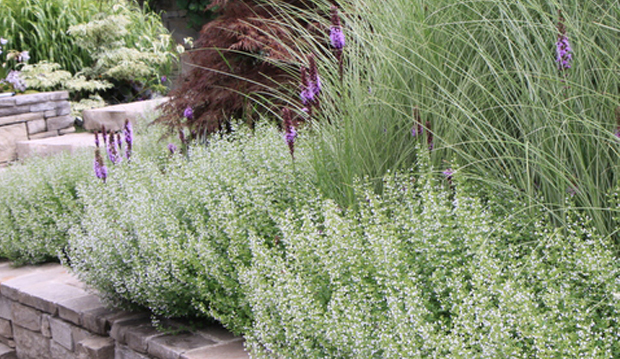
Calamint (Calamintha nepeta ssp. nepeta)
This week I’d like to highlight a wonderful herbaceous perennial that is slowly becoming available through local garden centres. Calamintha nepeta ssp. nepeta, commonly know as calamint, is a real workhorse in the garden. Although it is closely related to the common garden mint, it is not invasive. In fact, the plants are quite well-behaved, growing between eight to 12 inches tall and with a spread of about 18 inches. While I have observed plants growing happily in part shade, I recommend full sun for the best performance. Once it becomes established, calamint does not appear to be picky about the soil it is growing in and tolerates both moist and dry conditions. Calamint also makes a unique addition to mixed containers.
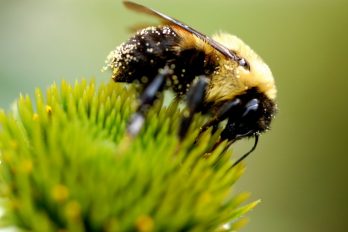
I am drawn to this plant both for its slightly fragrant minty foliage, which is released when you brush against it, and the airy texture its masses and masses of tiny, palest lilac, almost white, blossoms add to the garden from midsummer to fall. A word of caution: If you want to experience the fragrant foliage, it is best to do so before the plants begin to bloom for once flowering starts, calamint is a magnet for many pollinating insects, including butterflies and bees. I love the thought of how the various drifts of calamint throughout the TBG gardens support our three honeybee colonies and countless other pollinators. As a bonus, if left standing, the dry feathery stems of calamint will provide winter interest, depending, of course, on the amount of snowfall we receive.
Look for drifts of Calamintha nepeta ssp. nepeta in the Westview Terrace (as shown), the Entry Garden Walk and the Beryl Ivey Knot Garden.
For a further selection of plants currently in flower, please visit Sandra Pella’s What’s in Bloom blog.


Comments are closed.